There is a lot of well tried advise on composition in art and photography available on the web and good ol' printed material too. There is much to be learned from the classical artists regarding fundamentals such as: positioning and balancing elements in the frame; the use of scale and leading the eye in, around — and even out of — a picture. As I alluded to in the piece on location, it and composition are inextricably linked. To get the elements (actors, props, bits of set) arranged in the frame where I want them, I have to be prepared to move around a lot and change location frequently. Meanwhile the actors are moving around a lot too (unless it's Endgame of course). It's a bit of a dance.
So what am I looking for? Below are a few suggestions with example pix to help with the basics of theatre photography composition. It's neither a definitive nor extensive list, and I may well revise it and add to it, as other items come to mind, but it's a start.
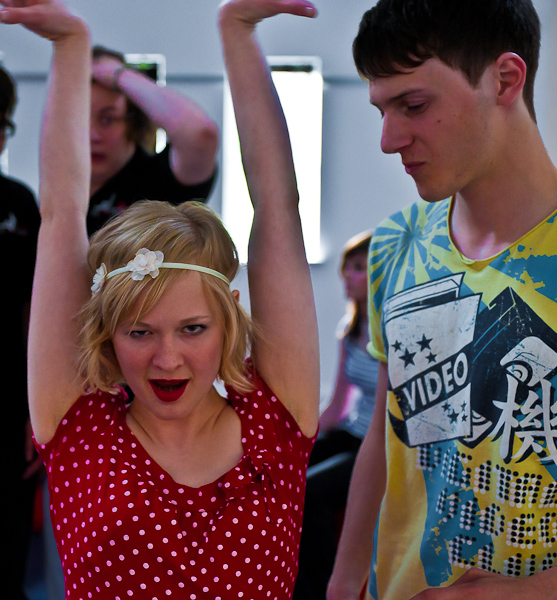
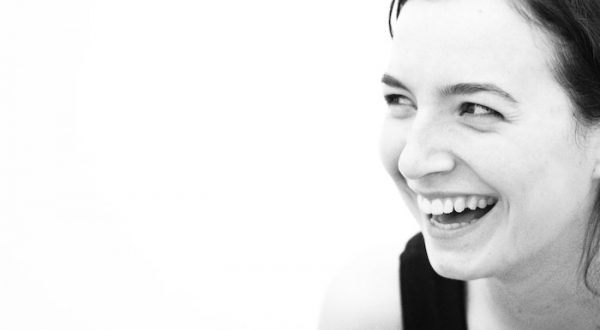
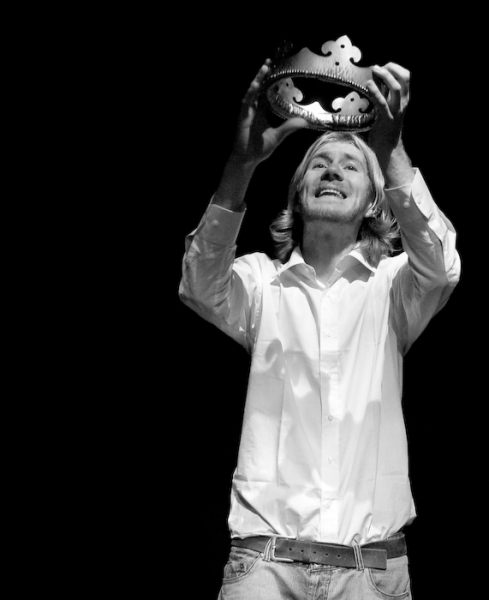
Put actors off centre, maybe on a third.
Put actors' eyes (roughly) on the intersection of the thirds.
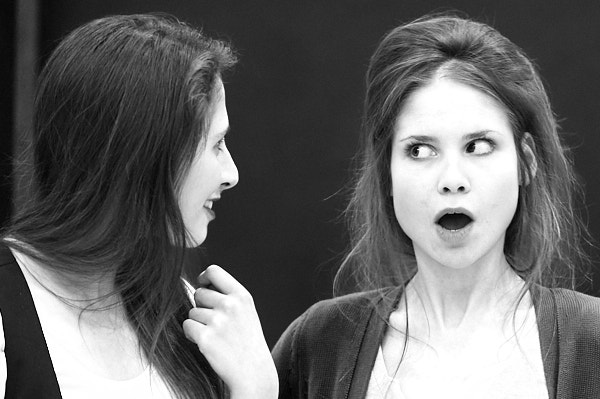
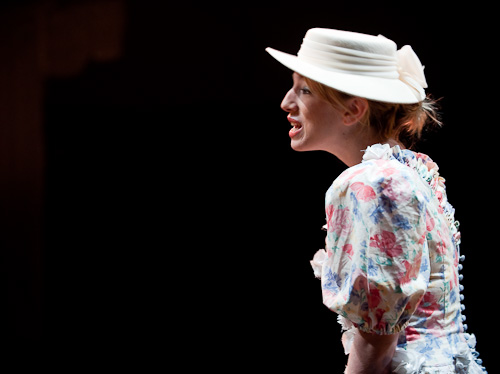
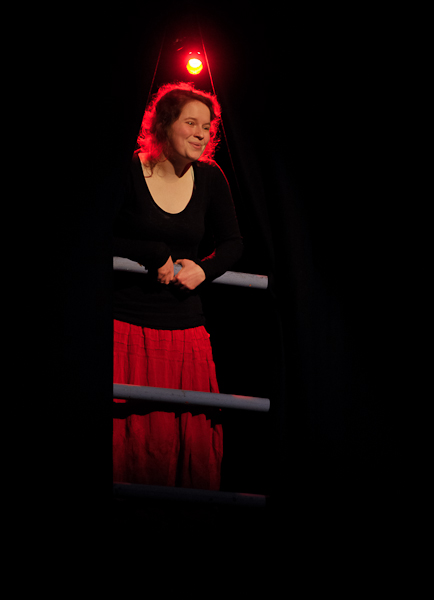
Putting the subject off-centre often works better than in the middle, here balanced by the lamp.
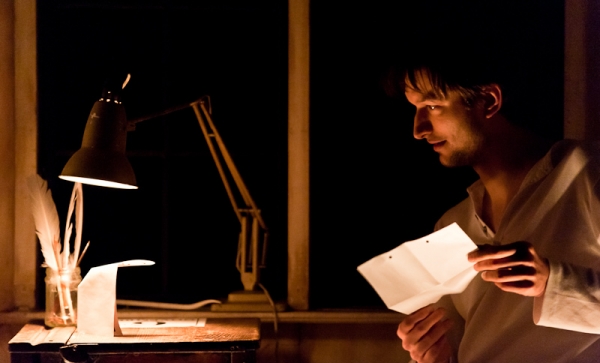
But not always ...
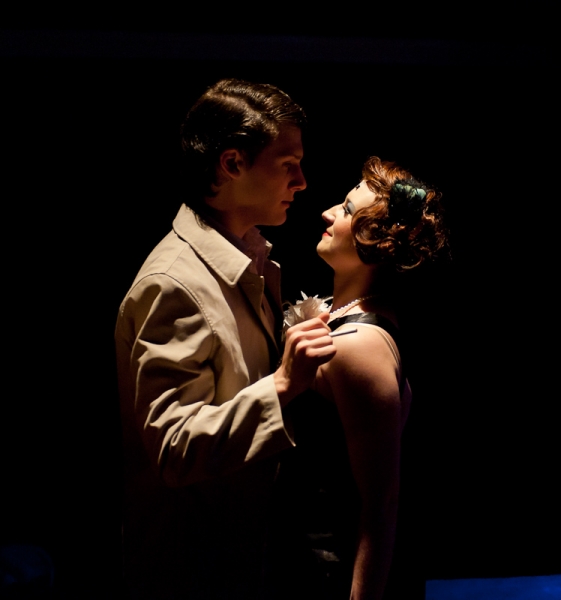
Putting the actors out at the edge of the frame can have a powerful effect.
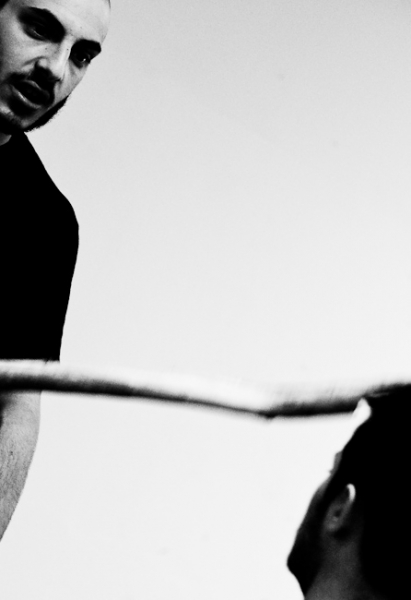
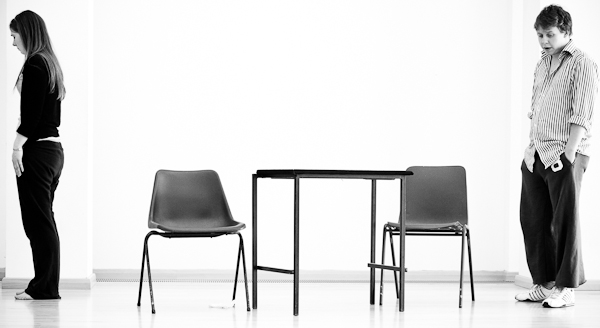
Seemingly in contradiction to that... Avoid big gaps between actors (unless you want a specific effect)
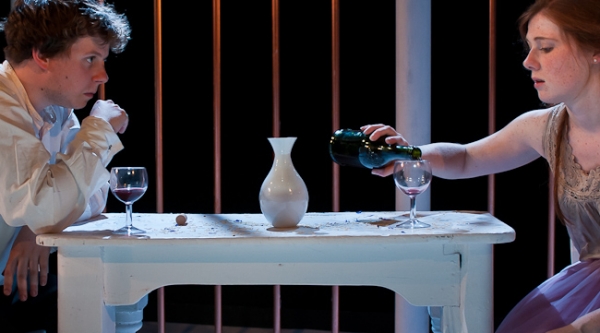
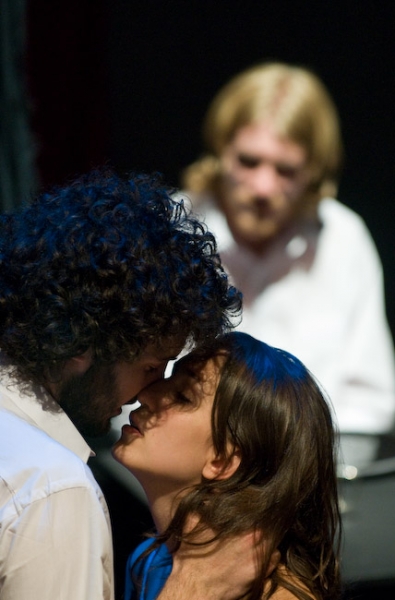
Vary size of actors (i.e. their distance from camera) in the frame, be prepared for limited DoF issues.
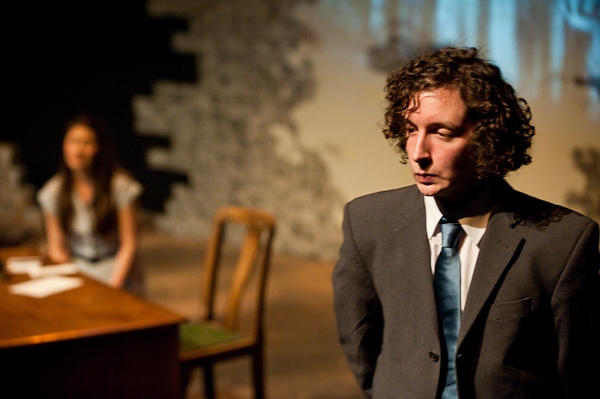
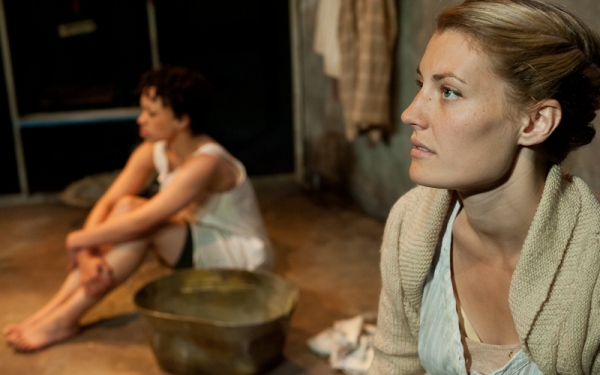
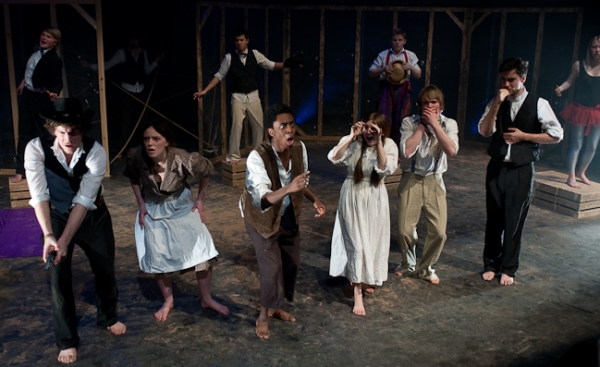
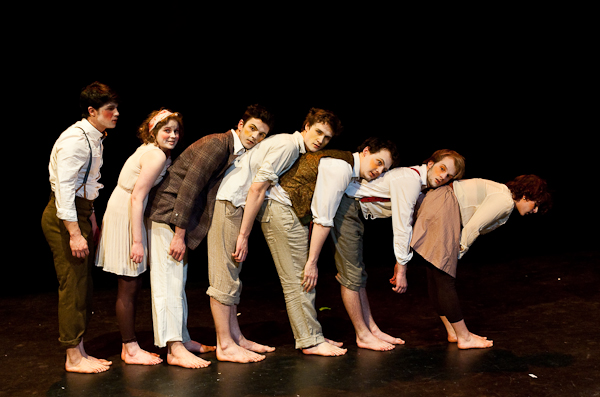
Also by not shooting square on you effectively move the line towards a diagonal.
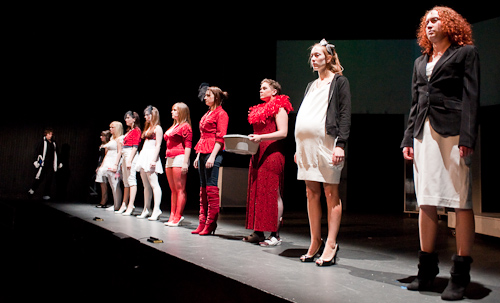
Diagonals are nearly always strong and dynamic.
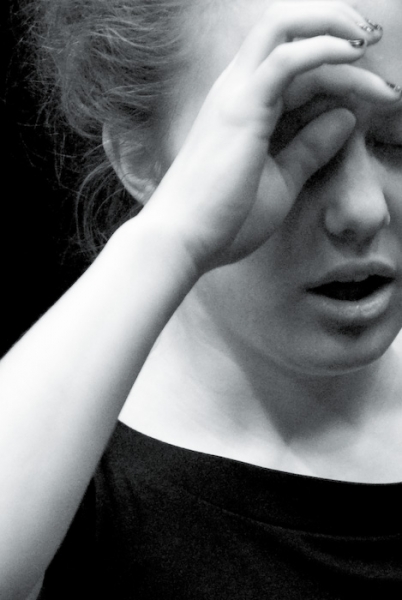
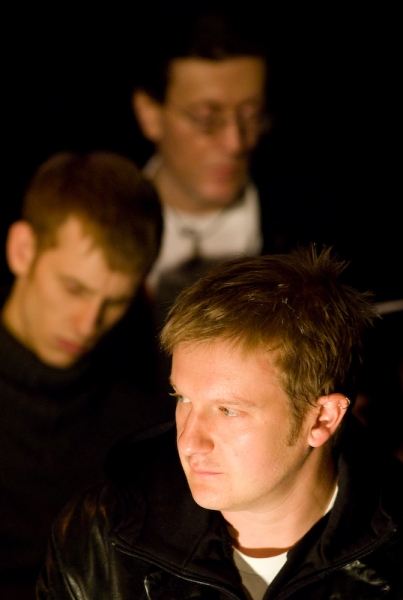
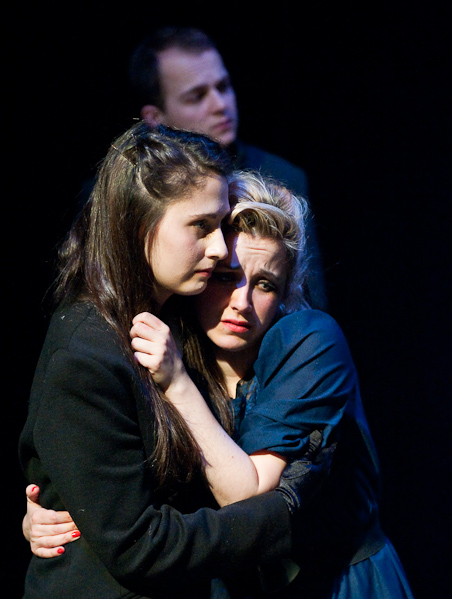
Look for a natural triangular shape formed by heads, but be careful of DoF issues and upon which head you focus.
When you have a great lighting designer make sure you capture and use the effects of the stage lighting.
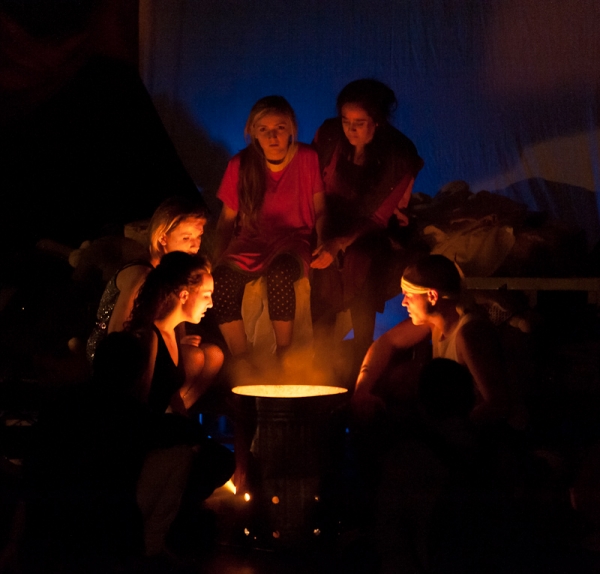
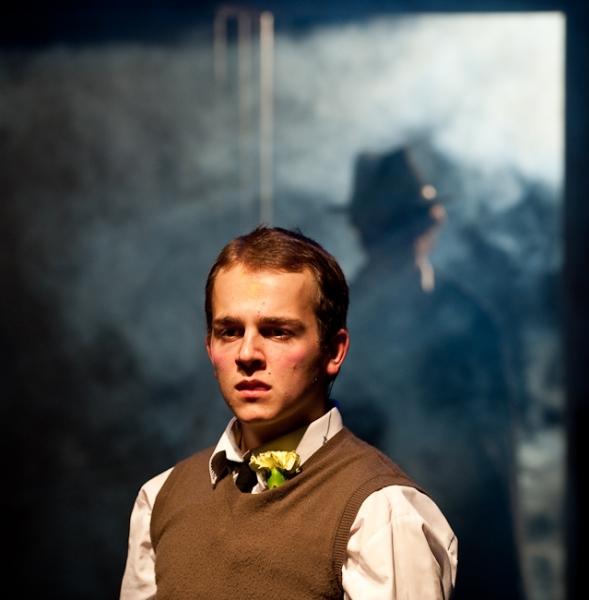
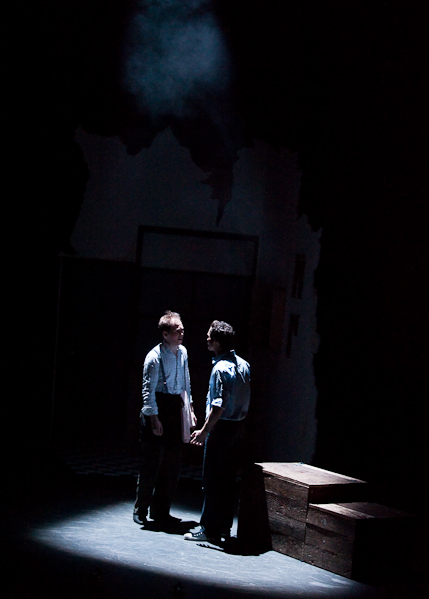
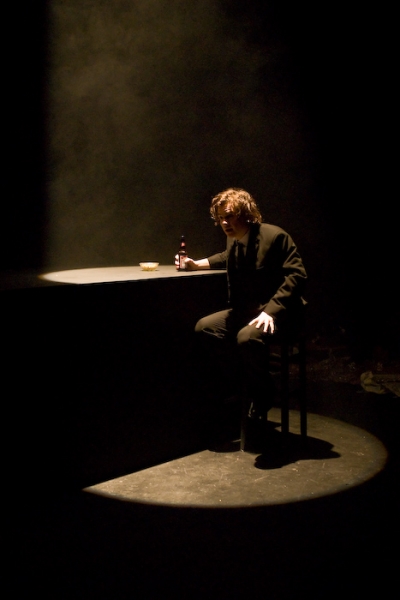
Align actor with lighting for effect.
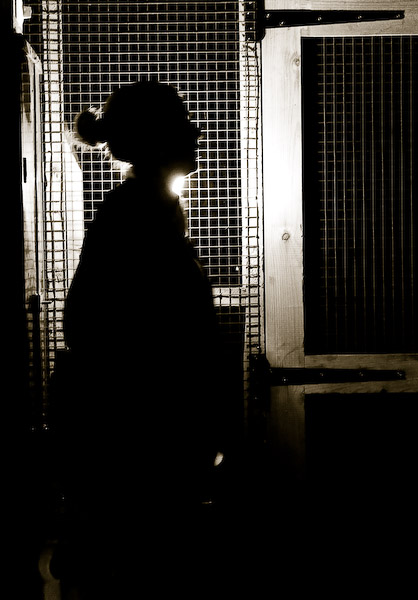
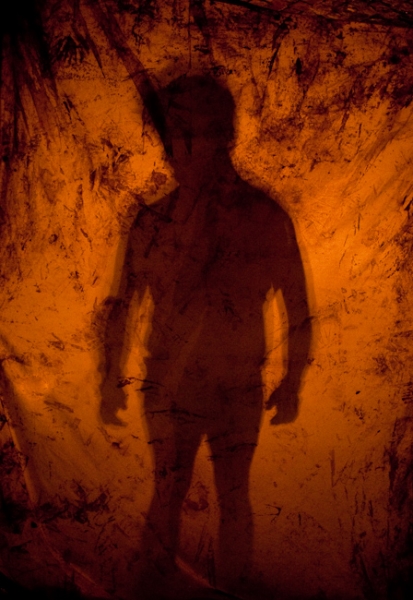
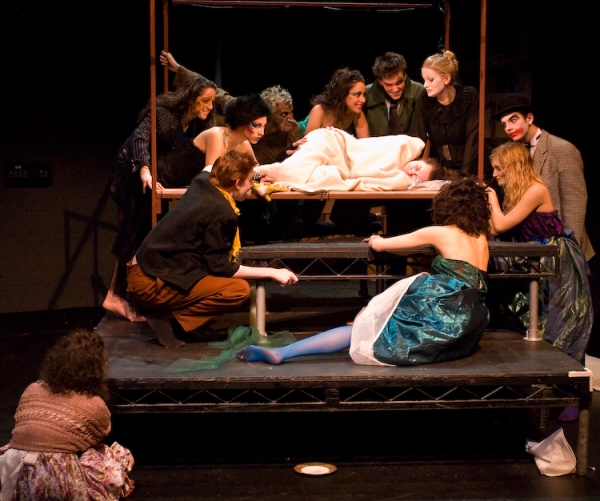
Capture a tableau.
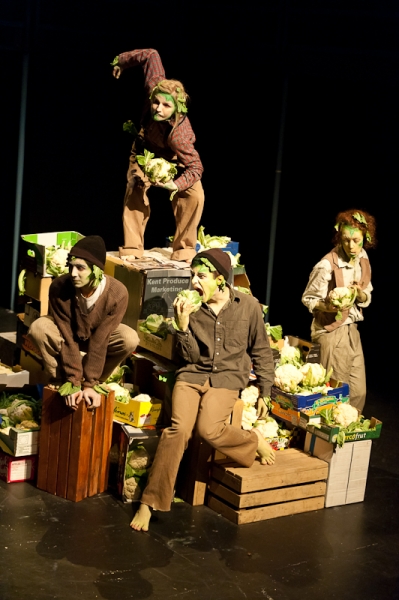
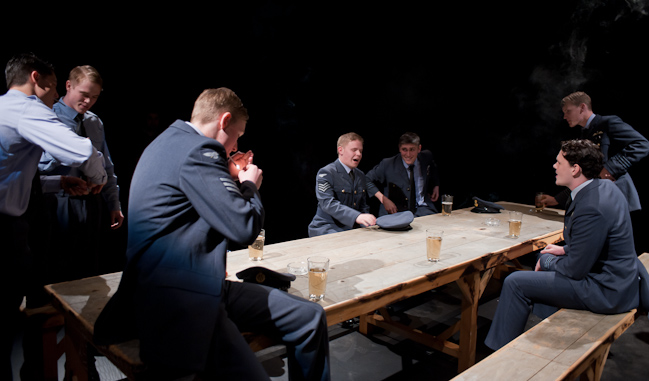
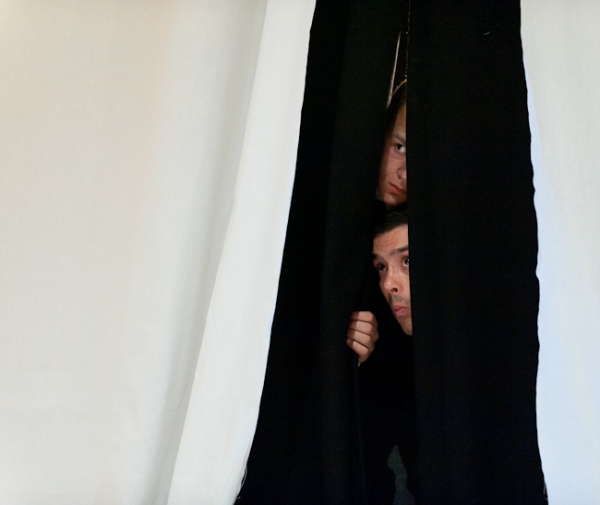
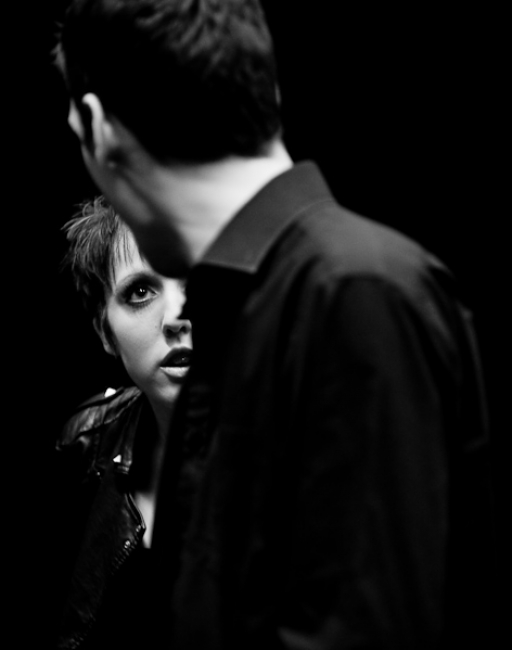
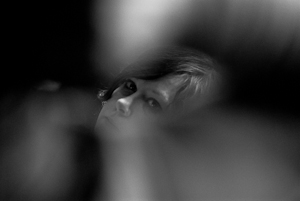
Frame actor in set or through part of another actor, or themselves.
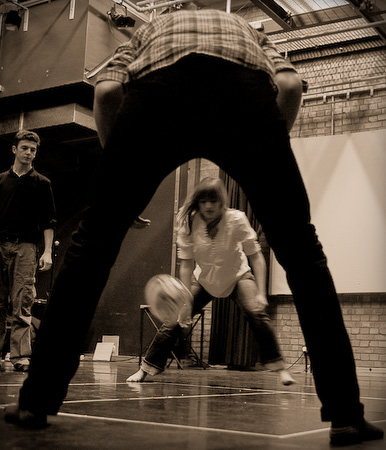
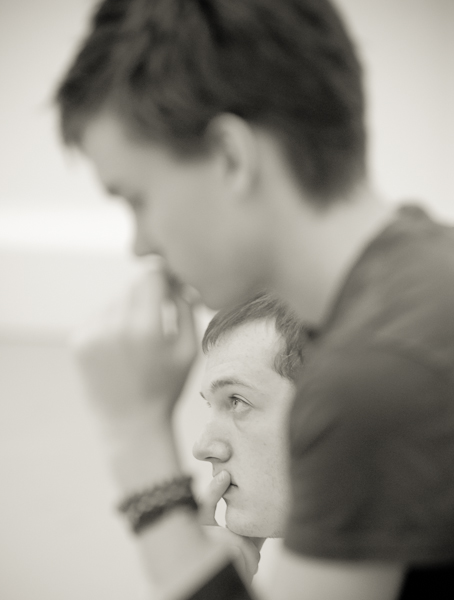
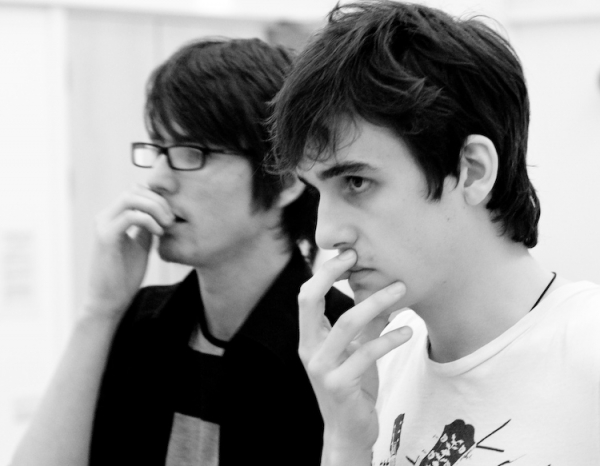
Arrange actors (or directors!) to show them working in unison or displaying postural echo if you like.
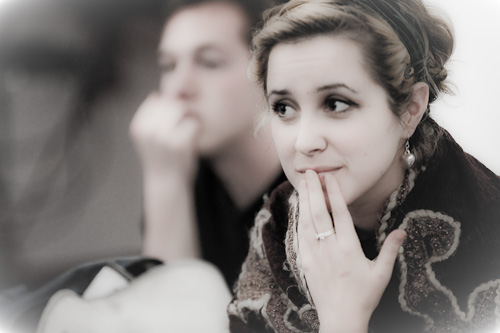
Consider the actor's gaze (sometimes direct engagement with the camera works)...